Seeing individuals in big events
We live in a time when information is everywhere, and traditional media seems to be fading into the background. But moments like the COVID-19 pandemic remind us that journalism—especially public journalism—still plays a crucial role in documenting reality and delivering truth. So what do these records really mean? What gives them value? And how do we know if public media is living up to its mission?
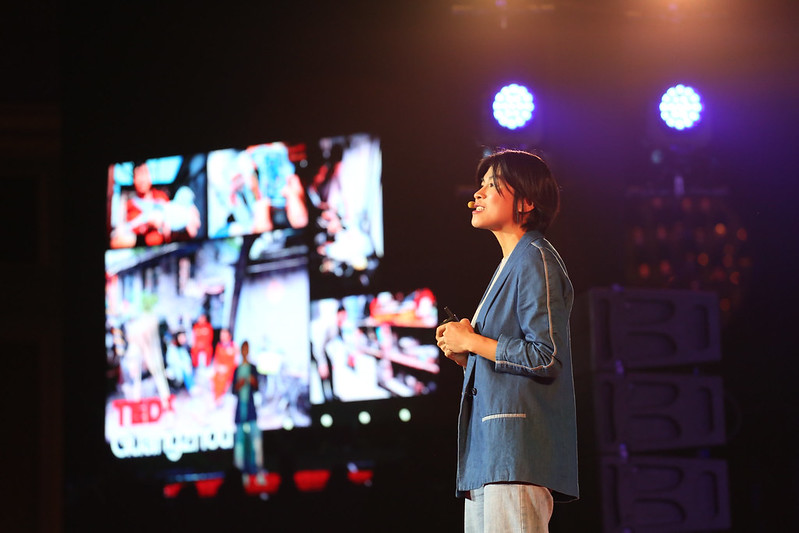
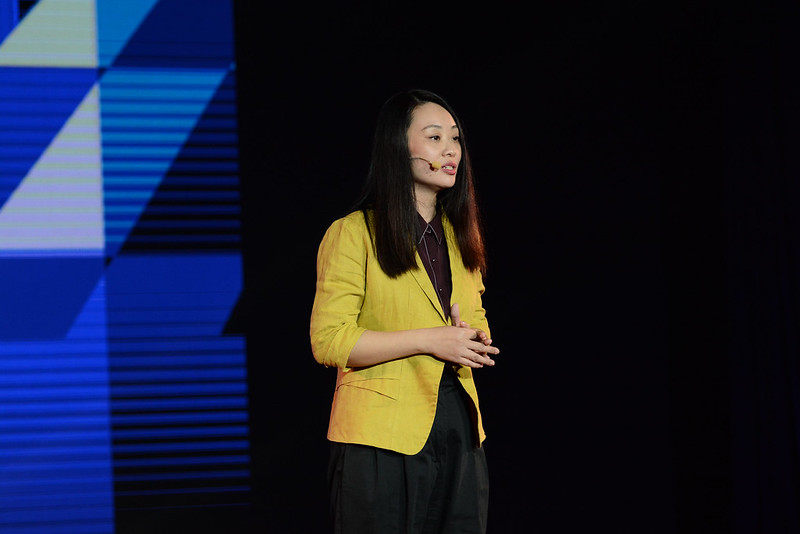
For Qi Wu, the power of public media lies in its ability to humanize large-scale events and, through the lens of individual stories, uncover the complex structures and social systems that shape our times. This is why public media still matters, especially in an era dominated by social platforms. Qi Wu, deputy editor-in-chief of Sanlian Lifeweek, is also a native of Wuhan. In 2020, during the outbreak of COVID-19, she led her team in reporting from the very city she grew up in—documenting both crisis and resilience. Social reporting used to be the backbone of journalism. But in today’s fast-paced media environment, is it still relevant? Can it still serve the public good? Qi believes that how we consume information—our “media diet”—profoundly shapes how we see the world. For today’s young people, rebuilding their understanding of media is more important than ever. Social media should not be the only source. Public, credible journalism still has a critical role to play.